Bottom line:
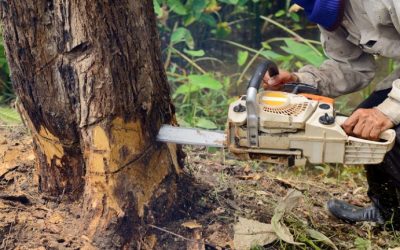
- Professional tree care in Jacksonville, FL typically covers trimming, removal, stump grinding, debris cleanup, and storm emergency response.
- Pruning timing and technique affect tree health and storm resilience, according to UF/IFAS research.
- Verifying licensing, insurance, and emergency availability helps property owners choose a qualified provider.
Tree ownership in North Florida comes with recurring maintenance questions: when to prune, how to handle a damaged limb, and what to do after a storm. Tree services generally refer to a bundle of professional offerings that keep residential and commercial landscapes safe, including trimming, removal, stump grinding, and debris hauling. Property owners who understand these categories can better evaluate quotes, timing, and whether a job qualifies as routine maintenance or an emergency.
Core Services Covered Under Tree Care
Most tree care providers in the region organize their work into a handful of recognizable categories. Reviewing these distinctions helps homeowners describe their needs accurately when requesting an estimate.
- Tree trimming and pruning: selective cutting to remove dead, diseased, or crossing branches and improve structure.
- Tree removal: full extraction of a tree, typically reserved for dead, hazardous, or storm-damaged specimens.
- Stump grinding and removal: mechanical grinding or excavation after a tree has been cut down.
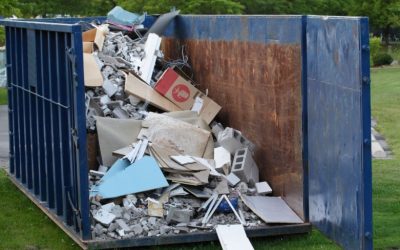
- Debris removal: hauling brush, limbs, and cut material off the property.
- 24/7 storm emergency response: rapid service for fallen limbs or trees after severe weather.
Trimming Versus Removal: How the Decision Gets Made
Deciding between pruning and full removal depends on the tree’s health, structural integrity, and proximity to structures. A certified arborist or experienced crew typically inspects the trunk, canopy, and root zone before recommending a course of action.
| Factor | Favors Trimming | Favors Removal |
| Trunk condition | Minor wounds, no major decay | Advanced decay or severe lean |
| Canopy health | Some dead wood, otherwise vigorous | Majority of canopy dead or diseased |
| Location | Clear of structures | Overhanging roof, power lines, or foundation |
| Storm risk | Can be reduced with selective pruning | Structural failure likely under wind load |
Pruning volume also matters for long-term tree health. University research indicates that pruning should generally not exceed 20% of a mature tree or 33% of a young tree to avoid unnecessary stress. Excessive or improper cuts, sometimes called “hurricane cuts,” can weaken a tree rather than protect it.
Seasonal Considerations for Jacksonville, FL Properties
Jacksonville, FL, sits in a hurricane-prone region, and tree condition before storm season directly affects property risk. Extension research from the University of Florida notes that properly trimming trees before storm season is one of the most proactive steps a homeowner or property manager can take to reduce tree losses and storm damage. The same guidance clarifies that tree trimming can be done any time of year in South Florida, though it is best done before storm season, when working conditions are typically more favorable.
Homeowners should also watch for warning signs between storms:
- Trunk decay, cavities, or unusual bulges.
- Branches that cross, rub, or grow toward the tree’s center.
- Visible lean that has worsened over recent months.
- Dead or dying limbs overhanging rooflines or driveways.
For deeper technical guidance on pruning timing and storm resilience, the UF/IFAS Extension publishes research-based landscape management resources relevant to Florida conditions.
Choosing a Provider and Confirming Service Scope
Before hiring a crew, property owners benefit from confirming licensing, insurance coverage, and whether storm emergency response is included. Based in the USA, we serve customers across Jacksonville, FL, offering a reference for how a regional provider structures service categories around trimming, removal, stump work, and cleanup.
Clarifying scope in writing, including debris disposal and stump handling, helps avoid misunderstandings once work begins. Property owners managing larger lots or commercial sites may also want to ask whether a provider offers recurring maintenance contracts versus one-time service calls.
Frequently Asked Questions
How often should trees be trimmed in North Florida? Trimming frequency depends on species and age, though many residential trees benefit from inspections every 1 to 3 years, with more frequent structural pruning for younger trees.
Is a permit required to remove a tree in Jacksonville, FL? Local tree removal regulations vary by municipality and lot characteristics, so property owners should check current requirements with their local planning or code enforcement office before removal.
What should happen immediately after a tree falls during a storm? Safety comes first: avoid contact with downed power lines, document damage for insurance, and arrange debris clearance once the area is confirmed safe.
Does stump grinding fully remove a tree stump? Grinding reduces a stump to wood chips below the surface, while full stump removal involves extracting the root ball, which is a more involved process.
Looking Into Local Service Options
Current service area and contact information for property owners researching tree care options near Jacksonville, FL. Scheduling details and current availability for Tree Masters Inc. are published for reference by property owners planning seasonal tree work.